Visiting a Stone Money Bank in Yap
Visiting a Stone Money Bank in Yap
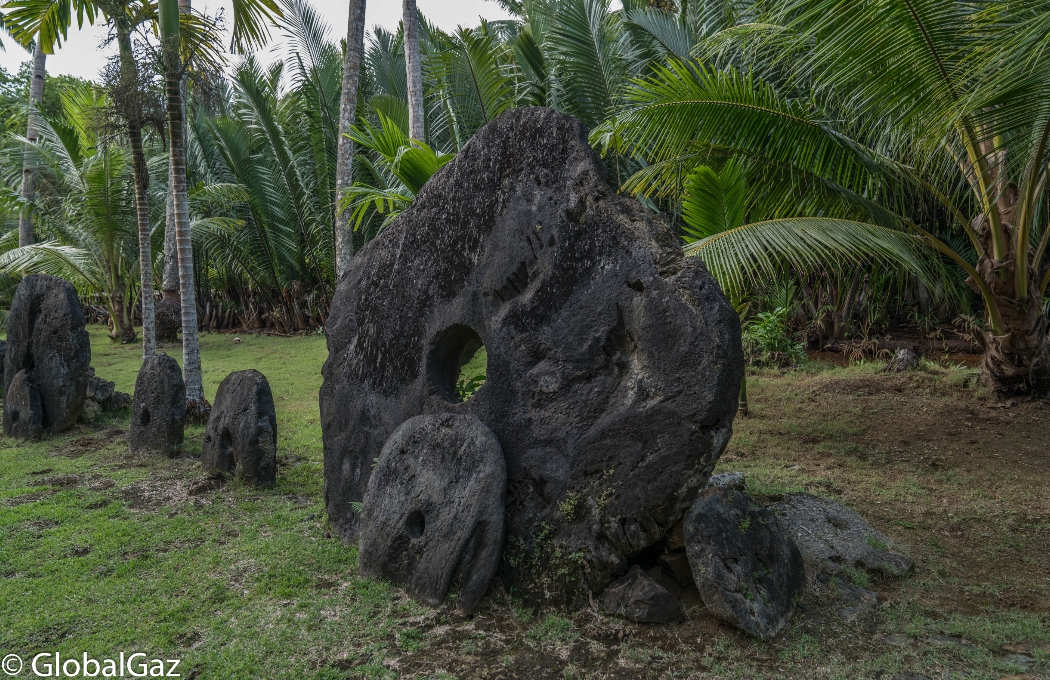 What: A traditional depository for massive stone currency (Rai), unique to the island.
When: Year-round, though the best time to visit is during the dry season (December to April).
Where: Yap, Federated States of Micronesia.
Description:
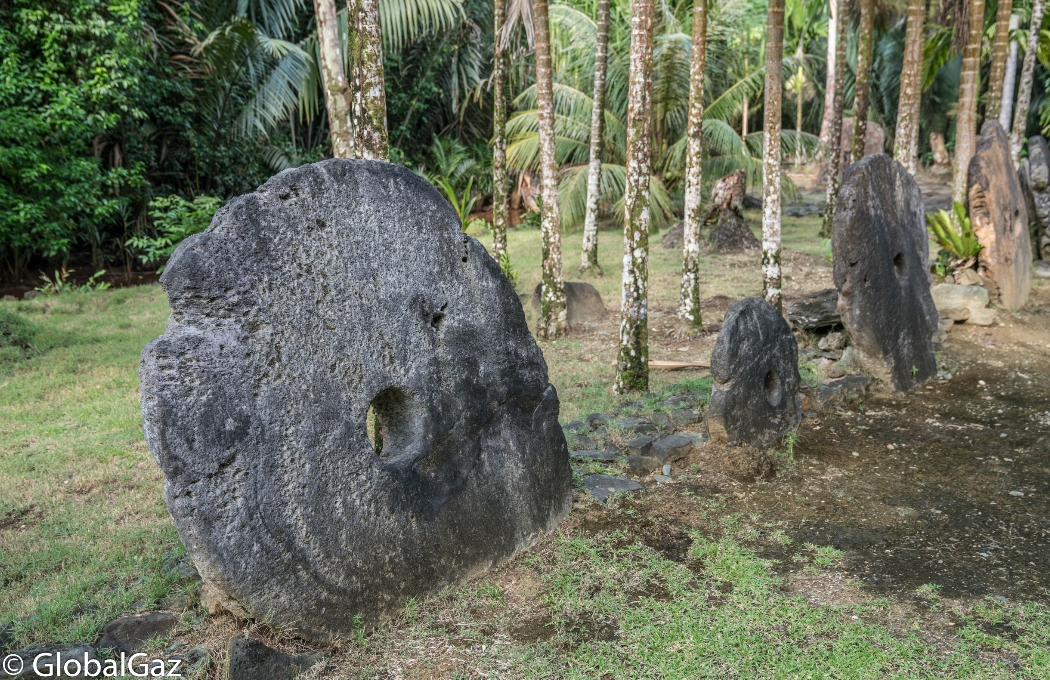
Yap is home to one of the world’s most unique and enduring forms of currency—Rai stones, which date back centuries. These enormous circular limestone disks, some measuring up to 4 meters (13 feet) in diameter and weighing several tons, were quarried from Palau and transported across the ocean on traditional canoes. Historically, Rai stones were used for trade, dowries, and social status, and while the U.S. dollar is the standard currency in Yap today, stone money still holds cultural significance and is occasionally used in traditional and ceremonial exchanges. Unlike modern money, ownership of a Rai stone could change hands without physically moving it, as its value was based on oral agreements and communal recognition. This made it one of the earliest known systems of decentralized banking—a concept that fascinates historians and economists alike.
A stone money bank is an open-air site where hundreds of Rai stones are displayed, many of them centuries old, each with its own unique history. These sites remain deeply embedded in Yapese culture, serving as both a symbol of wealth and a historical archive of Yap’s seafaring and economic traditions. Walking through a stone money bank feels like stepping into a living museum, where the past and present merge through oral traditions and economic heritage.
How to Experience It:
To explore a stone money bank, visit Yap’s main island, where several sites are accessible in villages like Gachpar and Balabat. A local guide can provide deeper insights into the history, significance, and stories behind specific Rai stones, as their value is determined by size, craftsmanship, and how they were acquired. Since Yap is a remote destination with limited flights, travelers should plan ahead—consider flying via the United Airlines Island Hopper route, which connects Yap to Guam and other Micronesian islands.
Author: Ric Gazarian, organizer of the Extraordinary Travel Festival