Tribes of the Omo Valley
Tribes of the Omo Valley
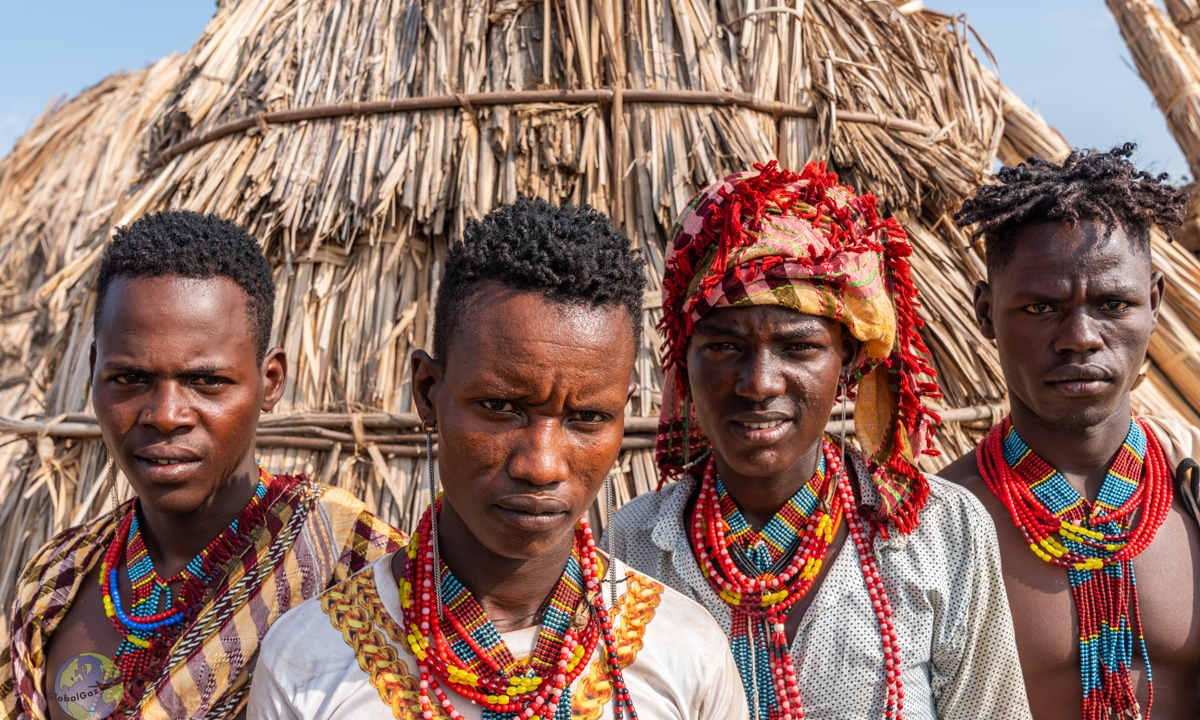 What: An extraordinary immersion into the living traditions of Ethiopia’s most culturally diverse communities.
When: Year-round, though the dry season (June–September) offers easier travel conditions.
Where: Lower Omo Valley, Southern Nations, Nationalities, and Peoples’ Region (SNNPR), Ethiopia.
Description:
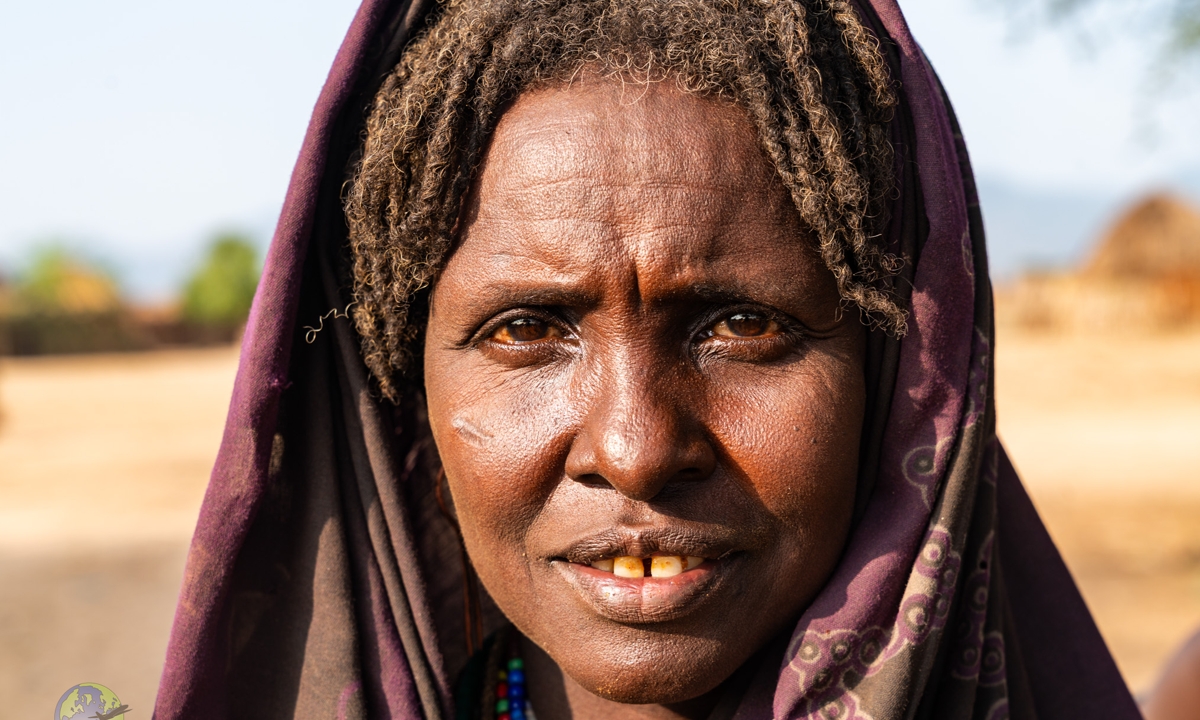
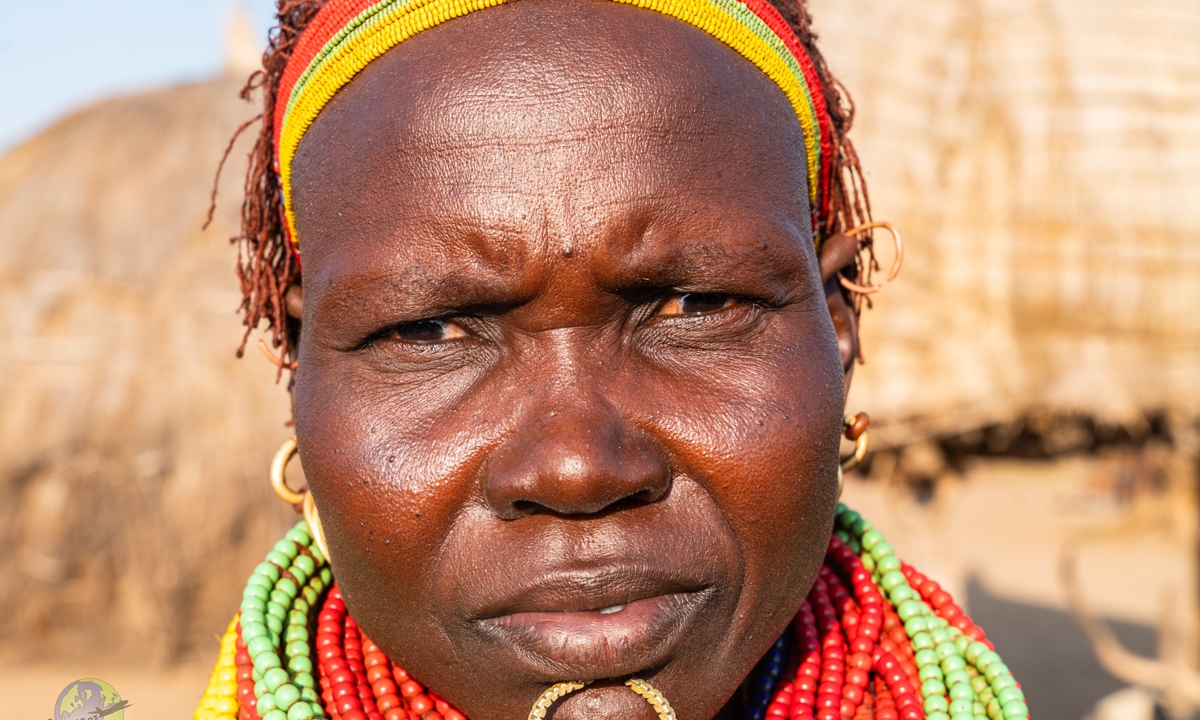
Deep in southern Ethiopia, the Omo Valley is home to more than a dozen distinct tribes whose ancient customs, body art, and rituals have been preserved for centuries. This region is one of the most culturally rich areas on earth, where traditions are not performed for tourists—they are an active, everyday expression of identity, spirituality, and community.
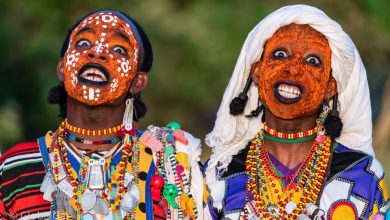
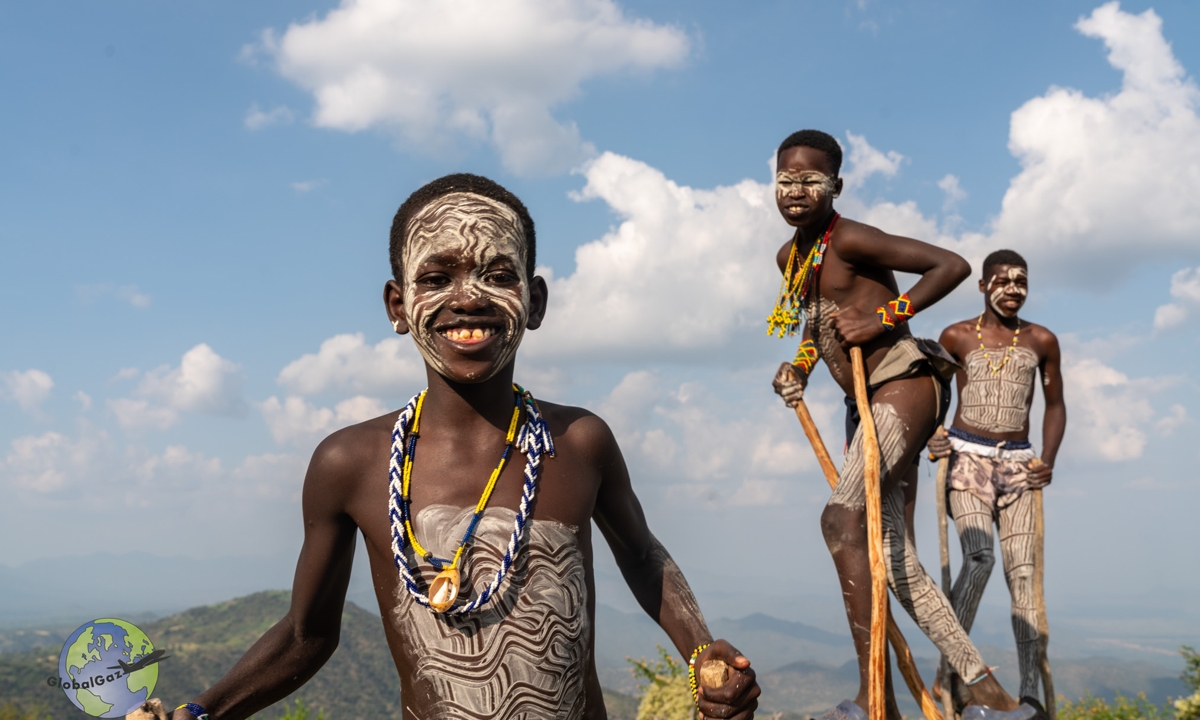
Across the valley, you may encounter the Hamar, famous for their bull-jumping ceremonies that mark a young man’s passage into adulthood; the Karo, masters of intricate body painting using white clay and bold geometric designs; the Mursi, known for their dramatic lip plates and elaborate scarification; the Dassanech, whose villages along the Omo River reflect a semi-nomadic way of life; and the Ari, skilled in agriculture, pottery, and coffee cultivation.
Life here is shaped by the rhythm of the seasons, cattle culture, and ancestral traditions. Markets, ceremonies, and village gatherings offer unforgettable windows into a way of life that is vibrant, communal, and deeply rooted in heritage. Travelers witness not a show, but living cultures adapting yet still fiercely holding onto their identity.
How to Experience It:
To explore the tribes of the Omo Valley, base yourself in towns such as Jinka or Turmi, then journey with a knowledgeable local guide who understands the languages, customs, and sensitivities of each community. Visit villages respectfully, ask permission before taking photos, and be mindful that every encounter is a privilege. The best experiences come from spending time—sitting, talking, visiting markets, and observing daily life.
The Omo Valley offers a rare and profound cultural immersion, where human diversity, artistry, and tradition converge in one of Africa’s most fascinating regions.
Author: Ric Gazarian, organizer of the Extraordinary Travel Festival