Exploring the Five Cities of the M’Zab Valley
Exploring the Five Cities of the M’Zab Valley
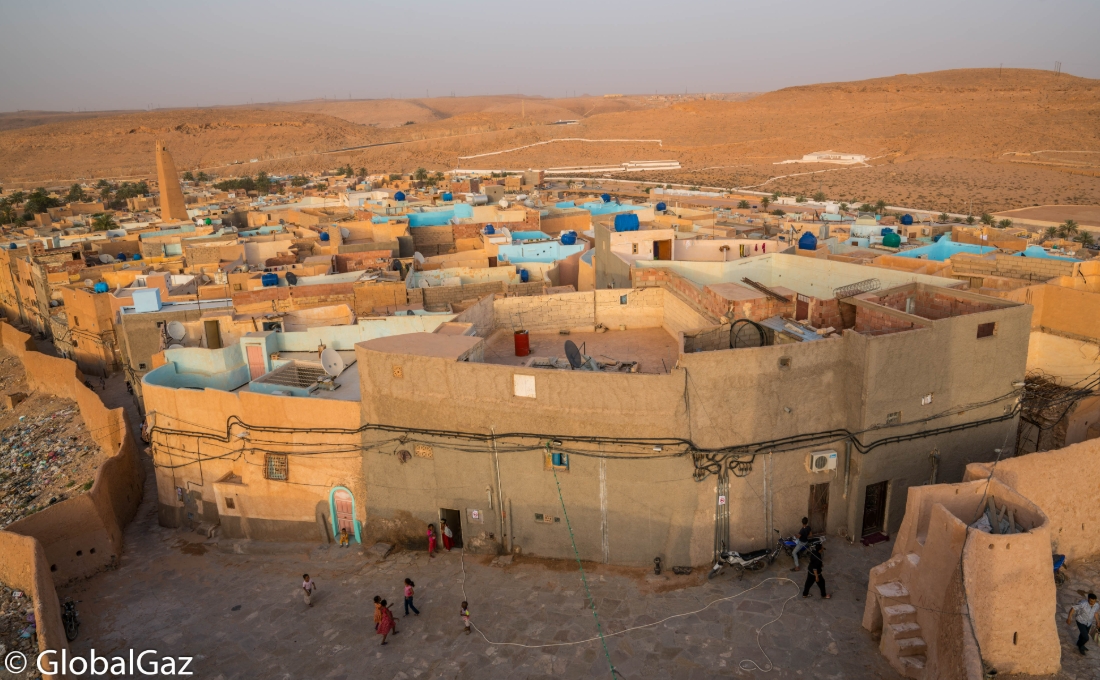 What: A journey through the fortified, ancient towns of the M’Zab
When: October to April, when temperatures are cooler.
Where: M’Zab Valley, Algeria.
Description:
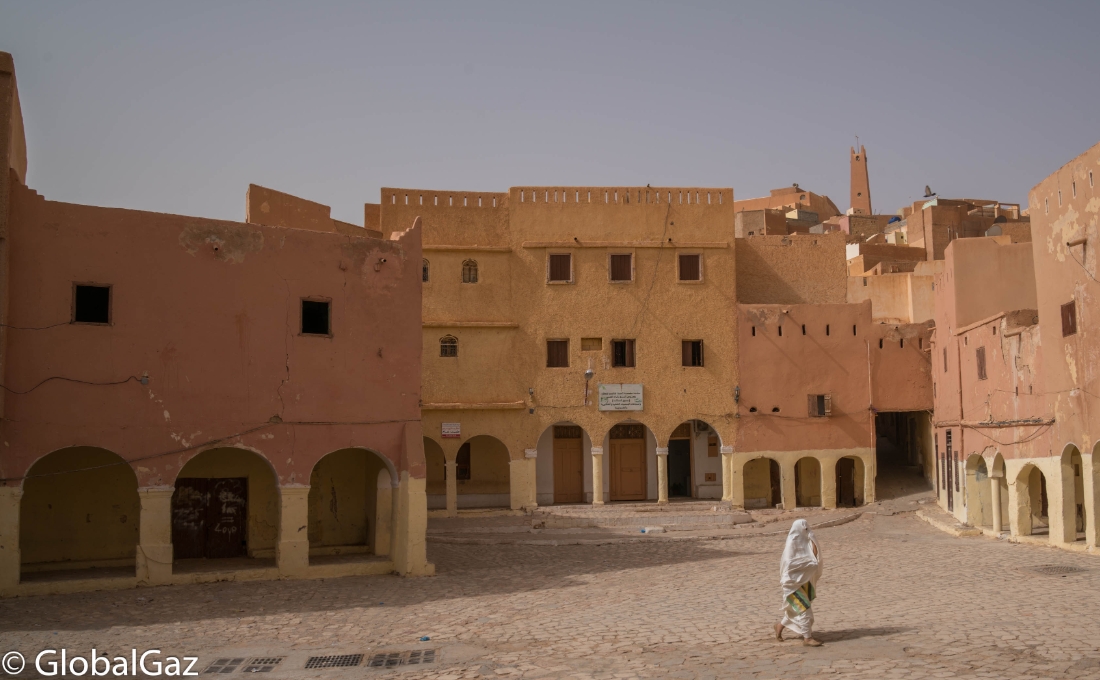
The M’Zab Valley, a UNESCO World Heritage Site, located in the Sahara Desert is home to five walled cities (ksour) built by the Mozabite Berbers in the 10th century. These hilltop settlements—Ghardaïa, Beni Isguen, Melika, Bou Noura, and El Atteuf—feature stunning whitewashed buildings, labyrinthine streets, and distinctive conical minarets.
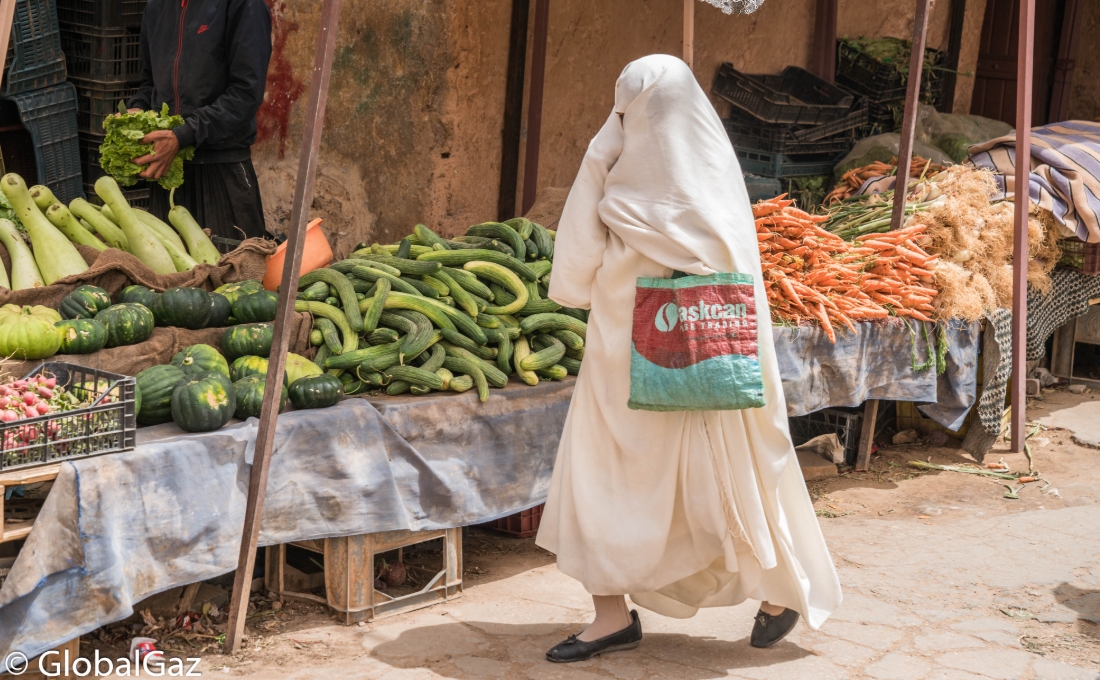
Each town is designed with functional simplicity, reflecting Mozabite traditions of community living, water conservation, and defensive architecture. Ghardaïa, the largest, is a bustling market town, while Beni Isguen, the most sacred, restricts non-Mozabites from overnight stays. Walking through these ancient cities offers a glimpse into a self-sufficient society that has preserved its way of life for over 1,000 years. One of the most interesting attributes of the Valley is the Haik: a large, white wool or cotton veil worn by the women that covers the entire body, draped elegantly allowing only one eye to be visible to the outside world.
How to Experience It:
The M’Zab Valley is a deeply conservative and traditional region, where cultural norms are strictly upheld. To explore its walled cities, visitors must be accompanied by a local guide, who can also arrange accommodations in a traditional guest house for an immersive experience. Additionally, photography—especially of women—is highly discouraged, as it is considered intrusive and disrespectful to local customs. Travelers should approach their visit with cultural sensitivity and respect for Mozabite traditions.
Author: Ric Gazarian, organizer of the Extraordinary Travel Festival